

Applying AI to reduce an operational process from 36 to 1 hour of work
Bemobi Wave
,
Telecom
,
Utilities

2026
Overview
Wave is a platform that helps telecom and utility companies sell and manage mobile and internet plans.
I designed an AI agent orchestration that automates the handoff between each client's design system and Wave's internal block library, reducing a 36-hour weekly process to about 1 hour.
Results
From 36 weekly hours to ~1 hour of work, with human review preserved
50% reduction in developer implementation work
Cross-library gaps mapped automatically, feeding block evolution
The problem
Wave builds digital products for telecom clients, each with its own design system, while implementation runs on its internal block library. Every handoff requires a translation: in the client's design system, a component is a complete unit; in the internal library, it breaks down into smaller blocks with their own properties.
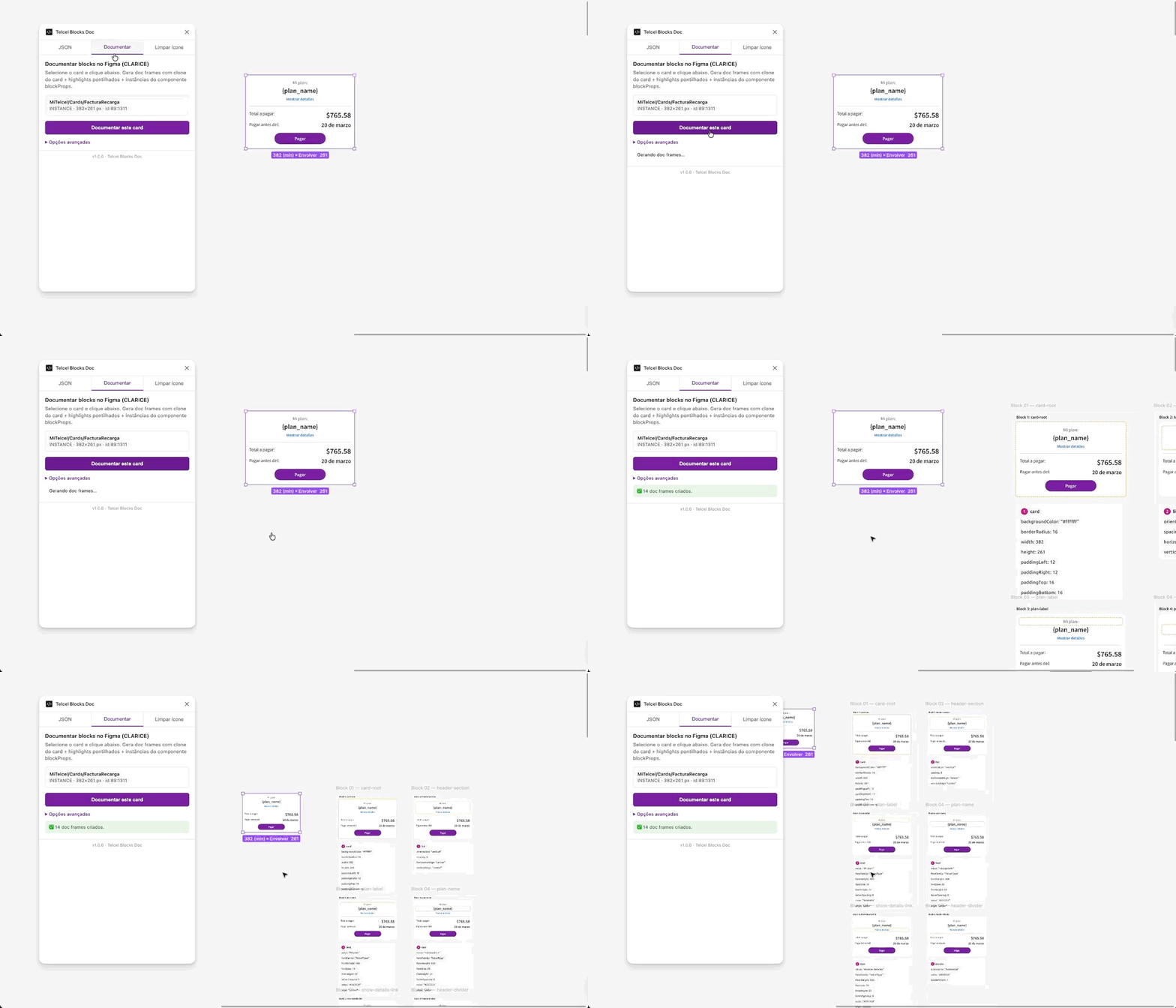
This translation was done manually: identifying the blocks for each component, mapping properties, documenting in Figma, and handing off to developers for JSON generation. Repetitive work that consumed about 36 hours of my week.
I designed an agent orchestration with Claude that executes this translation end to end, from reading the library to the final documentation in Figma, through a plugin I also built. The process now takes 1 hour, with human review as a permanent step.

Learnings
Automation wasn't the right word
My first instinct was to ask developers to write a script that matched components to blocks. It seemed the most obvious path to reduce repetitive work.
The problem is that the two systems operate with different logic. In the client's design system, a component is a complete unit. In the library, it can break into multiple blocks or have no equivalent at all. There's no direct mapping for a script to follow.
This realization led me to agent orchestration with Claude. The problem required contextual interpretation, not chained rule execution.
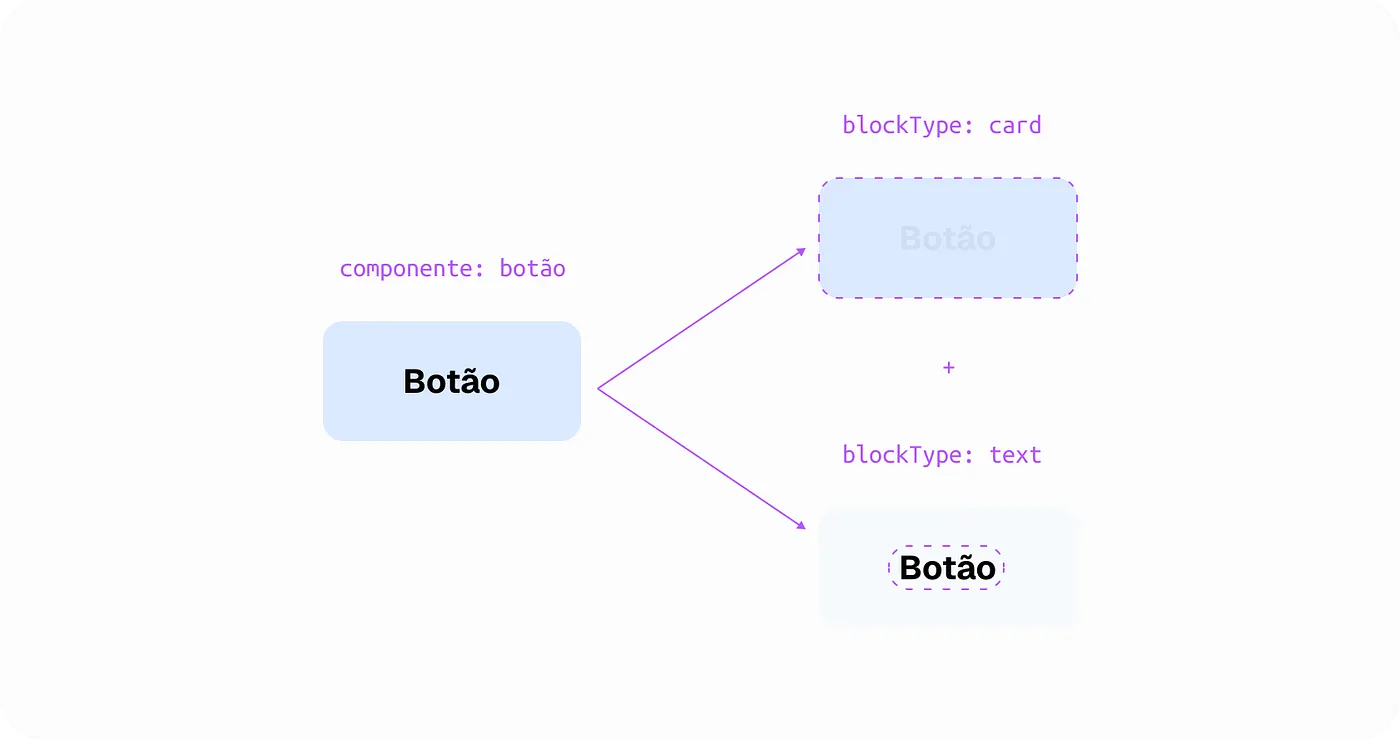
How a component is broken down into blocks.

A translator that understands grammar, not a dictionary
The core logic: the agent reads the entire block library — properties, variants, and rules — then reads the client's component. Instead of looking for one-to-one matches, it disassembles the component down to the smallest unit and rebuilds it using the block vocabulary.
The work is split across three agents: Margaret inspects the file, generates the JSON, and proposes new blocks when needed; Grace reviews the implementation and validates library patterns; Clarice documents the blocks in Figma and checks properties against the file.
When a block or property doesn't exist, the agent flags it and documents it in a spreadsheet. This gap map became part of the process and feeds the decision to create new blocks or rethink the approach.
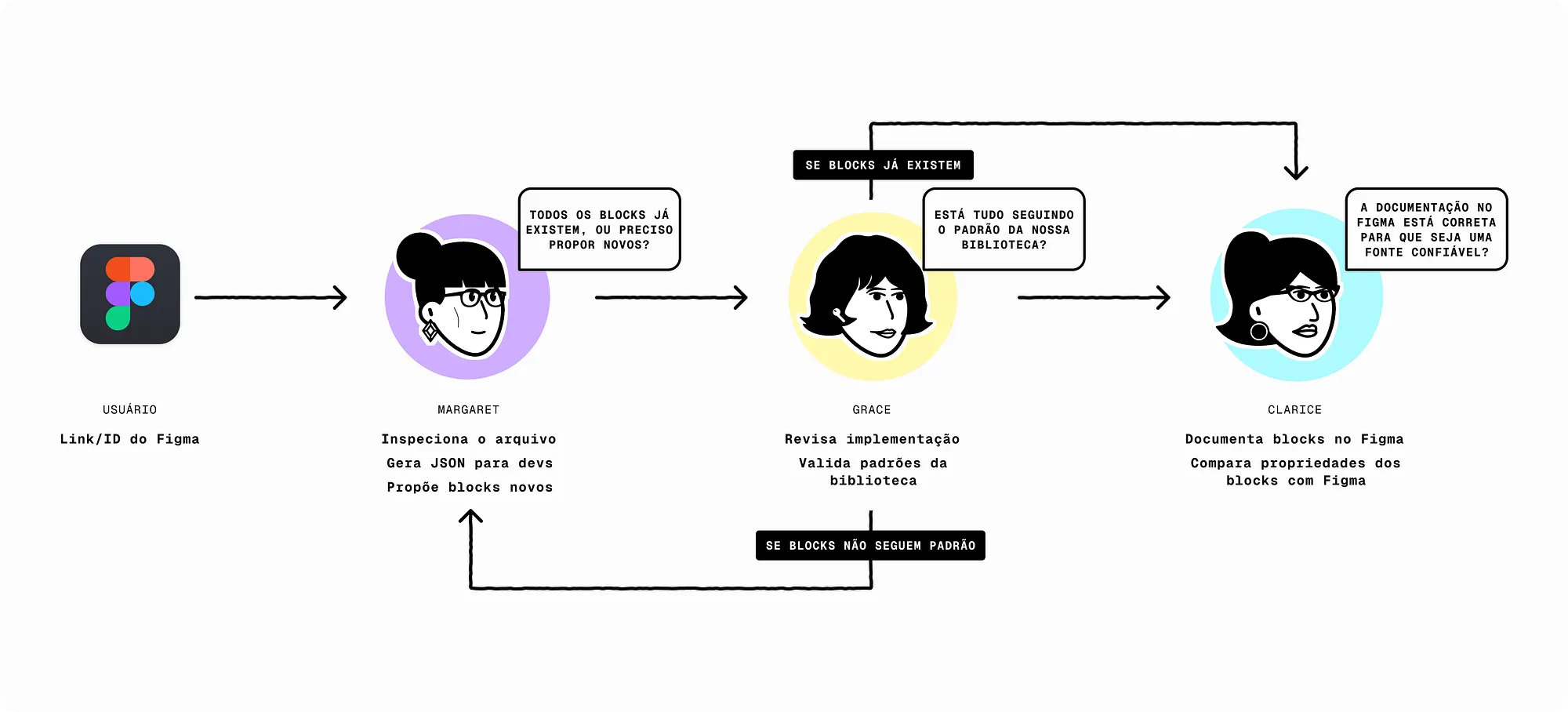
Agent orchestration process.
Human review is part of the system
The agents make mistakes. Not often, but they do — especially with highly customized components, where the distance between the two languages is too large. The most common case: when an autolayout spacing is set to "auto," the agent interprets it as zero and the blocks render collapsed. A small error, regular enough to stay on the radar.
That's why the final review remains mine: I check the output, adjust what wasn't found, and wrap up. The goal was never to eliminate judgment — it was to eliminate the mechanical work that consumed my week.
AI did the heavy lifting, but the process design was 100% human. Thinking clearly about the problem before choosing the tool is what made it all work.
Impact
From 36h/week to ~1h, with human review preserved as a process step.
50% reduction in implementation work, with JSONs generated via a Figma plugin.
Gaps mapped and documented automatically, feeding the block library evolution.
More projects
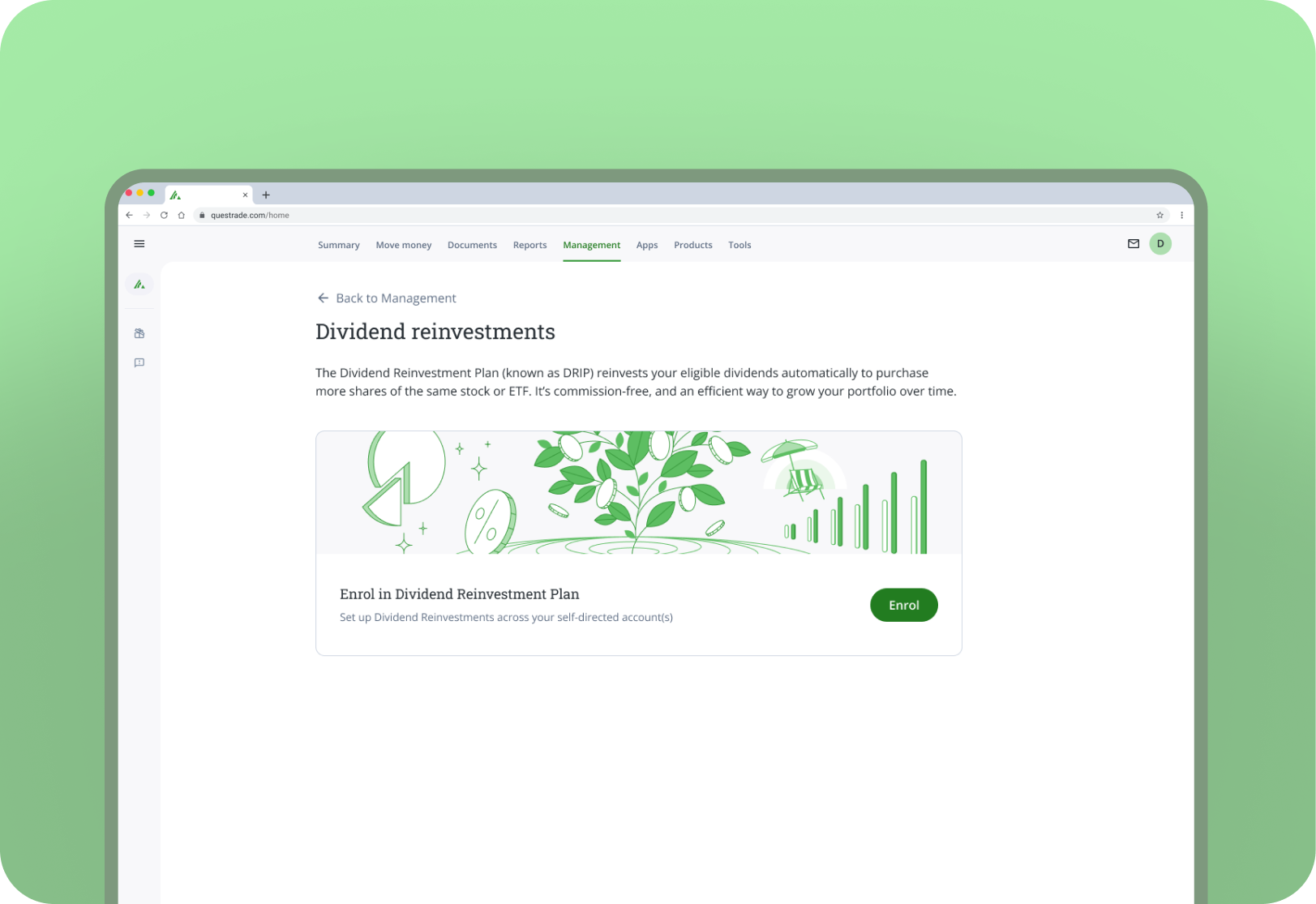
Reducing the dividend reinvestment program enrollment from 2 days to 8 seconds
Questrade
,
Fintech
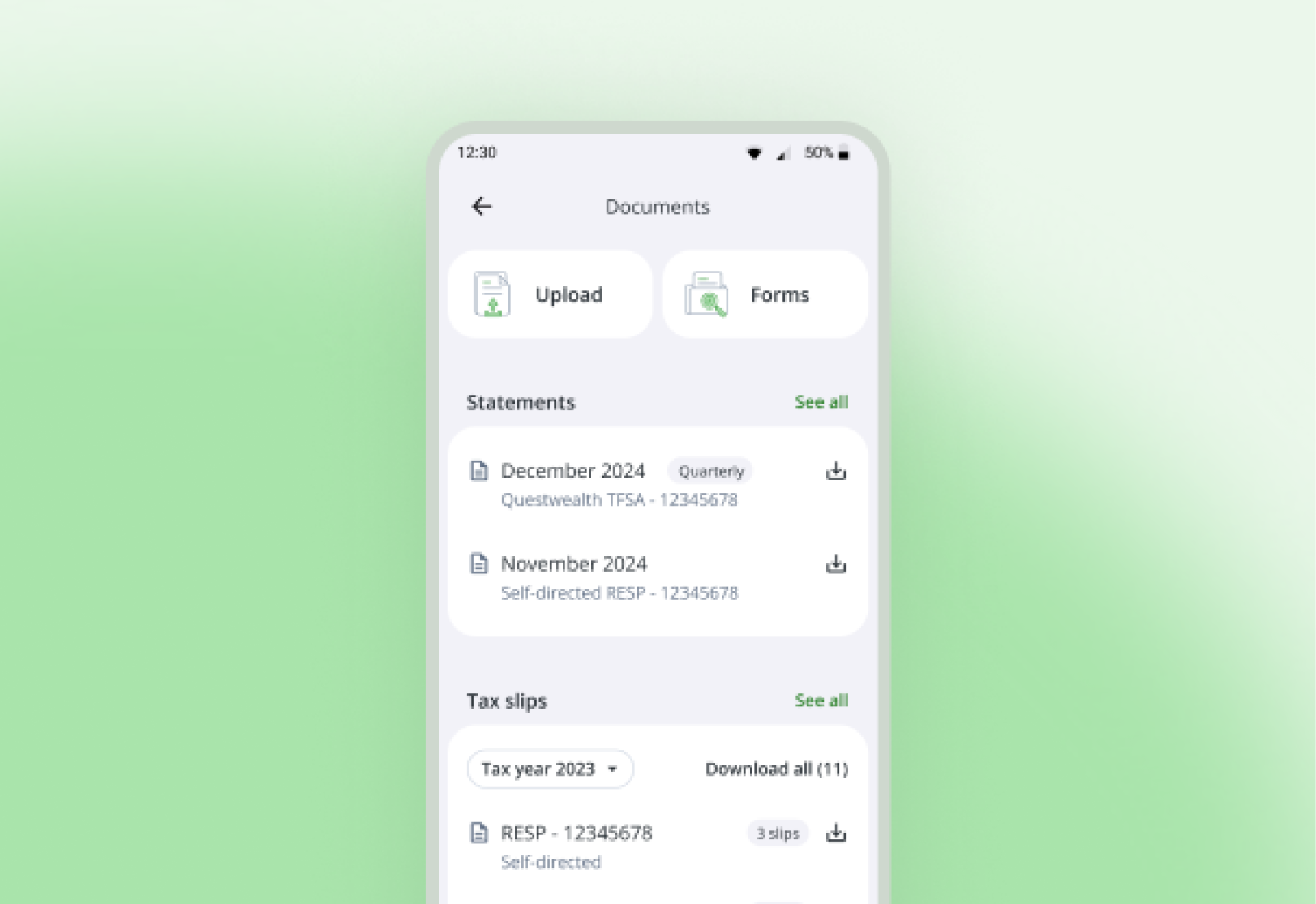
Designing the on-the-go experience for the documents tab in time for tax season
Questrade
,
Fintech
Soon
Turning terabytes of geospatial data into accessible dashboards for 1 million users
MapBiomas
,
Geotech




© Cajá ・ Senior Product Designer ・ 2026

Applying AI to reduce an operational process from 36 to 1 hour of work
Bemobi Wave
,
Telecom
,
Utilities
2026
Overview
Wave is a platform that helps telecom and utility companies sell and manage mobile and internet plans.
I designed an AI agent orchestration that automates the handoff between each client's design system and Wave's internal block library, reducing a 36-hour weekly process to about 1 hour.
Results
From 36 weekly hours to ~1 hour of work, with human review preserved
50% reduction in developer implementation work
Cross-library gaps mapped automatically, feeding block evolution
The problem
Wave builds digital products for telecom clients, each with its own design system, while implementation runs on its internal block library. Every handoff requires a translation: in the client's design system, a component is a complete unit; in the internal library, it breaks down into smaller blocks with their own properties.
This translation was done manually: identifying the blocks for each component, mapping properties, documenting in Figma, and handing off to developers for JSON generation. Repetitive work that consumed about 36 hours of my week.
I designed an agent orchestration with Claude that executes this translation end to end, from reading the library to the final documentation in Figma, through a plugin I also built. The process now takes 1 hour, with human review as a permanent step.

Learnings
Automation wasn't the right word
My first instinct was to ask developers to write a script that matched components to blocks. It seemed the most obvious path to reduce repetitive work.
The problem is that the two systems operate with different logic. In the client's design system, a component is a complete unit. In the library, it can break into multiple blocks or have no equivalent at all. There's no direct mapping for a script to follow.
This realization led me to agent orchestration with Claude. The problem required contextual interpretation, not chained rule execution.
How a component is broken down into blocks.

A translator that understands grammar, not a dictionary
The core logic: the agent reads the entire block library — properties, variants, and rules — then reads the client's component. Instead of looking for one-to-one matches, it disassembles the component down to the smallest unit and rebuilds it using the block vocabulary.
The work is split across three agents: Margaret inspects the file, generates the JSON, and proposes new blocks when needed; Grace reviews the implementation and validates library patterns; Clarice documents the blocks in Figma and checks properties against the file.
When a block or property doesn't exist, the agent flags it and documents it in a spreadsheet. This gap map became part of the process and feeds the decision to create new blocks or rethink the approach.
Agent orchestration process.
Human review is part of the system
The agents make mistakes. Not often, but they do — especially with highly customized components, where the distance between the two languages is too large. The most common case: when an autolayout spacing is set to "auto," the agent interprets it as zero and the blocks render collapsed. A small error, regular enough to stay on the radar.
That's why the final review remains mine: I check the output, adjust what wasn't found, and wrap up. The goal was never to eliminate judgment — it was to eliminate the mechanical work that consumed my week.
AI did the heavy lifting, but the process design was 100% human. Thinking clearly about the problem before choosing the tool is what made it all work.
Impact
From 36h/week to ~1h, with human review preserved as a process step.
50% reduction in implementation work, with JSONs generated via a Figma plugin.
Gaps mapped and documented automatically, feeding the block library evolution.
More projects
Designing the on-the-go experience for the documents tab in time for tax season
Questrade
,
Fintech
Soon
Turning terabytes of geospatial data into accessible dashboards for 1 million users
MapBiomas
,
Geotech

© Cajá ・ Senior Product Designer ・ 2026
© Cajá ・ Senior Product Designer ・ 2026
Applying AI to reduce an operational process from 36 to 1 hour of work
Bemobi Wave
,
Telecom
,
Utilities
2026
Overview
Wave is a platform that helps telecom and utility companies sell and manage mobile and internet plans.
I designed an AI agent orchestration that automates the handoff between each client's design system and Wave's internal block library, reducing a 36-hour weekly process to about 1 hour.
Results
From 36 weekly hours to ~1 hour of work, with human review preserved
50% reduction in developer implementation work
Cross-library gaps mapped automatically, feeding block evolution
The problem
Wave builds digital products for telecom clients, each with its own design system, while implementation runs on its internal block library. Every handoff requires a translation: in the client's design system, a component is a complete unit; in the internal library, it breaks down into smaller blocks with their own properties.
This translation was done manually: identifying the blocks for each component, mapping properties, documenting in Figma, and handing off to developers for JSON generation. Repetitive work that consumed about 36 hours of my week.
I designed an agent orchestration with Claude that executes this translation end to end, from reading the library to the final documentation in Figma, through a plugin I also built. The process now takes 1 hour, with human review as a permanent step.

Learnings
Automation wasn't the right word
My first instinct was to ask developers to write a script that matched components to blocks. It seemed the most obvious path to reduce repetitive work.
The problem is that the two systems operate with different logic. In the client's design system, a component is a complete unit. In the library, it can break into multiple blocks or have no equivalent at all. There's no direct mapping for a script to follow.
This realization led me to agent orchestration with Claude. The problem required contextual interpretation, not chained rule execution.
How a component is broken down into blocks.

A translator that understands grammar, not a dictionary
The core logic: the agent reads the entire block library — properties, variants, and rules — then reads the client's component. Instead of looking for one-to-one matches, it disassembles the component down to the smallest unit and rebuilds it using the block vocabulary.
The work is split across three agents: Margaret inspects the file, generates the JSON, and proposes new blocks when needed; Grace reviews the implementation and validates library patterns; Clarice documents the blocks in Figma and checks properties against the file.
When a block or property doesn't exist, the agent flags it and documents it in a spreadsheet. This gap map became part of the process and feeds the decision to create new blocks or rethink the approach.
Agent orchestration process.
Human review is part of the system
The agents make mistakes. Not often, but they do — especially with highly customized components, where the distance between the two languages is too large. The most common case: when an autolayout spacing is set to "auto," the agent interprets it as zero and the blocks render collapsed. A small error, regular enough to stay on the radar.
That's why the final review remains mine: I check the output, adjust what wasn't found, and wrap up. The goal was never to eliminate judgment — it was to eliminate the mechanical work that consumed my week.
AI did the heavy lifting, but the process design was 100% human. Thinking clearly about the problem before choosing the tool is what made it all work.
Impact
From 36h/week to ~1h, with human review preserved as a process step.
50% reduction in implementation work, with JSONs generated via a Figma plugin.
Gaps mapped and documented automatically, feeding the block library evolution.
More projects
Designing the on-the-go experience for the documents tab in time for tax season
Questrade
,
Fintech
Soon
Turning terabytes of geospatial data into accessible dashboards for 1 million users
MapBiomas
,
Geotech